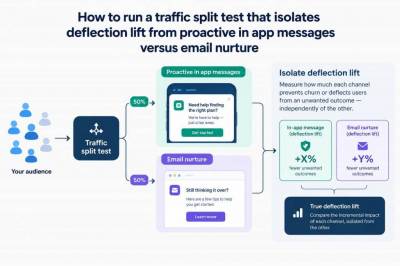
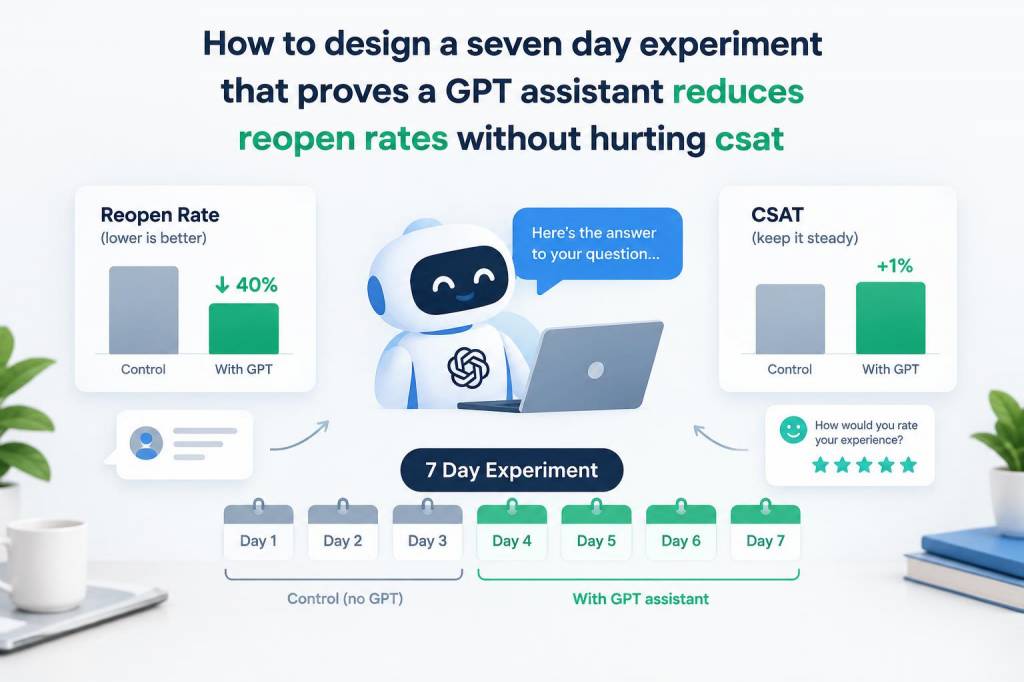
When I run pilots for new automation—especially AI that interacts directly with customers—I want one thing above all: clear, defensible evidence that the tech improves outcomes people care about. Recently I built a seven-day experiment to prove a GPT-powered assistant could reduce reopen rates...
Oct 15, 2026
• by Claire Moreau
Latest News from Customer Carenumber Co
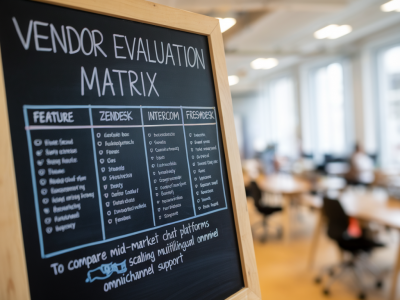
I’ve evaluated dozens of chat and messaging platforms while helping support teams scale omnichannel programs across Europe. When you’re operating in the mid-market — not a tiny startup but not a global enterprise either — the choice between Zendesk, Intercom, and Freshdesk often comes down to a combination of product fit, localisation capabilities, automation flexibility, and predictable...
Read more...
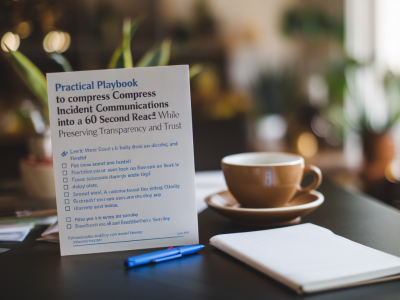
I’ve been in the thick of incident comms for years — from small SaaS outages to multi-region platform failures — and one lesson keeps coming back: customers will forgive a problem if you communicate clearly, quickly, and honestly. The challenge is doing that in a world where attention is scarce. Here’s a practical playbook I use to compress incident communications into a 60-second...
Read more...
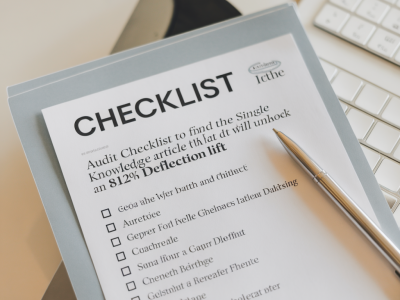
I want to walk you through a practical audit checklist I use when hunting for the one knowledge article that can deliver a meaningful deflection lift—typically in the 8–12% range—for a digital support channel. This is the kind of win that scales: one well-placed, well-written article that customers actually find and use can reduce ticket volume, shorten handle time on remaining contacts,...
Read more...
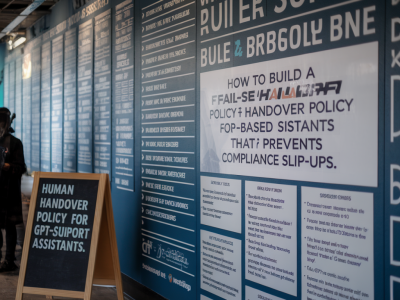
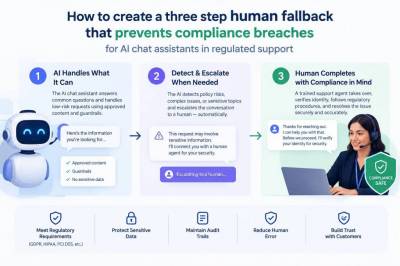
When teams roll out GPT-based support assistants, the focus often lands on speed, deflection rates and the wow factor of conversational AI. What’s less sexy but far more critical is building a fail-safe human handover policy that prevents compliance slip-ups. I’ve seen the gap between automated responses and safe, compliant human escalation lead to embarrassing — and sometimes costly —...
Read more...
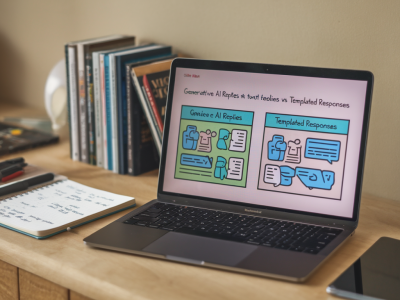
I recently ran a small experiment that tested generative AI replies against our existing templated responses. The goal wasn’t to prove one approach was universally better — it was to learn fast, protect our Net Promoter Score (NPS), and give agents and customers a clearly measurable experience. If you’re thinking about doing the same, here’s a pragmatic, lightweight A/B framework you can...
Read more...
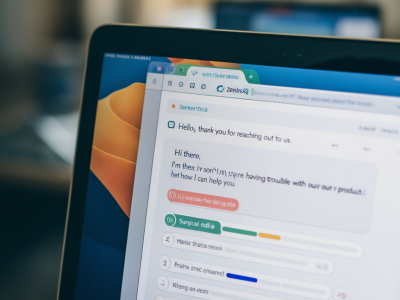
I used to love macros. They promised consistency, speed, and a way to scale support without hiring an army. But over the years I watched the very thing meant to speed conversations quietly erode one of the hardest-earned metrics in support: CSAT. In countless Zendesk instances and similar ticketing systems, macros become templates of convenience that forget the person behind the ticket. The...
Read more...
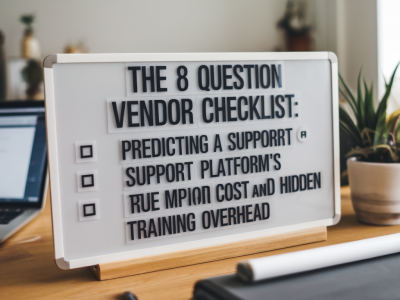
When my team prepared to migrate our support platform last year, we focused on feature parity and API depth — the things vendors love to demo. What we underestimated was the human cost: hidden training time, repeated context-switching, and months of subtle inefficiencies that only became visible when agents were live on the new system. Over a decade working across CX operations and support...
Read more...

Every support leader I’ve worked with wants the same thing: to know about a problem before it becomes a trend. Dashboards that show churn rising a week after the fact are useful — but they’re not useful enough. What I build instead are nightly analytics pipelines that surface rising churn signals from chat transcripts the morning after the pattern starts. This lets product, ops, and support...
Read more...

When teams ask me how to choose a support platform, the first thing I tell them is: don’t judge a vendor on feature checklists alone. The real decision-maker is the total cost of ownership (TCO) — and the only reliable way to estimate that is by running a vendor trial designed specifically to surface migration, customisation, and training costs. I’ve run dozens of trials for SaaS support...
Read more...

I once walked into a support ops meeting where the CSAT had slipped three points overnight and the product team wanted answers fast. Our chatbot handled a large chunk of inbound volume, so all eyes turned to it. We had no time for a full rewire, but we did have seven hours. What I’ll share below is the exact audit I ran that day — how I found the hidden failure modes that were silently...
Read more...